Available to view
25th June-30th July
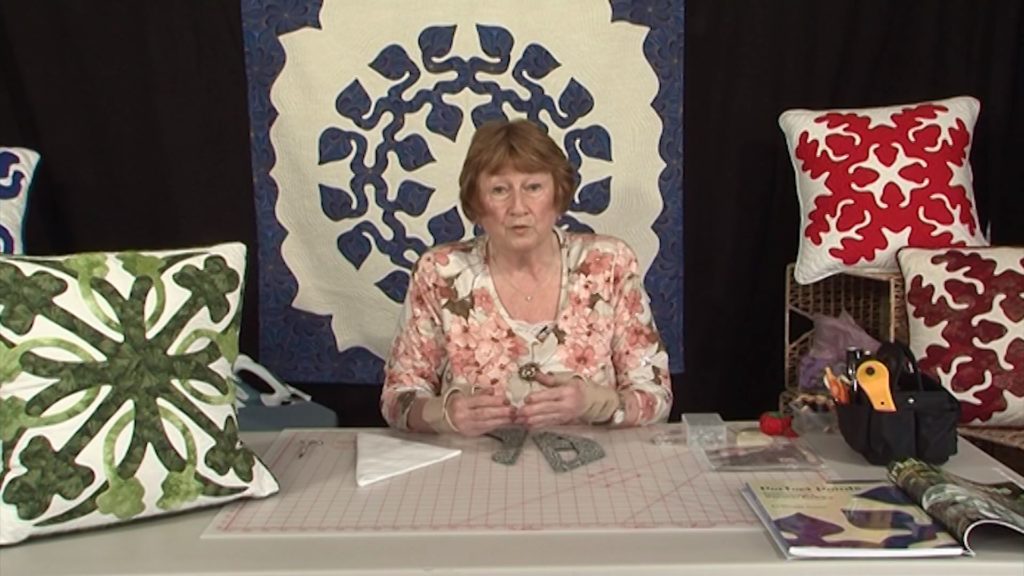
As promised for the month of July we have organised a variety of Christmas projects but before that you can wander round the remainder of the Westpoint Arena Spring Quilt Show that was held at Exeter and enjoy quilts by Patricia Archibald, and meet the Strawberry Fayre and Villavin Crafts. Strawberry Fayre are known for their plain fabrics and also were one of the group of winners to get a pattern in the book Jelly Roll Inspirations by Pam and Nicky Lintott and Jo Hendy of Villavin Crafts runs quilt retreats in the cottages that surround her shop down in Devon – what a brilliant combination – Plus there is a super pattern available from her that adds money to the Help the Heros fund.
You can also meet Lynn Quinn, quilter and teacher and she will also be at the Festival of Quilts at the NEC teaching this year.
Getting ready for Christmas we have a super new Rudolph fused appliqué wallhanging , by Anne Baxter, which has simple embellishments added to his antlers; a lifted star workshop from Sylvia Criticher; working with gold bias (which is ready-fused) by The Stitch Witch to produce a quick and easy wallhanging and then Mandy Shaw shares with us her advent calendars and festive bunting and there are lots of new products in the shopping section.
Don’t forget, Friday is the day the new films get put onto the site, so make sure you don’t miss them; and they also have the linking products to make your shopping easier.
25 Lucky subscribed members will win bundles of Robert Kaufmann fabric; draw will be made in July.
In order to see the full films you need to be a subscribed member (details under the Members page).
Membership moves to a monthly subscription of £6 - great value as you can see hours of creative workshops, visit textile shows and meet the tutors. All the videos are on the site for three months - a wealth of watching!
Patchwork Project
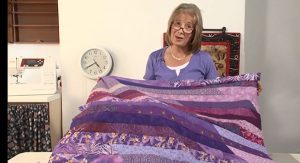
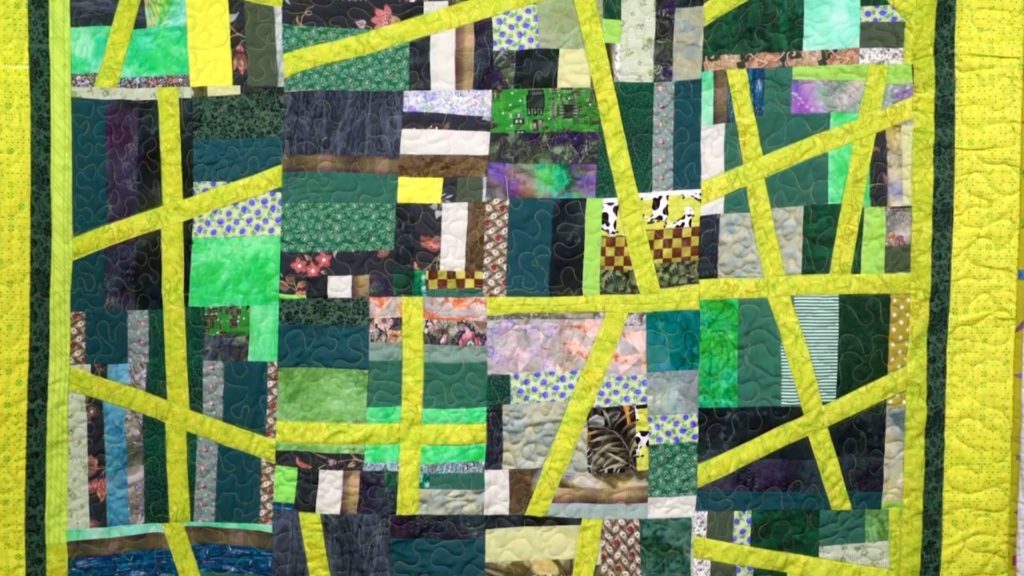
What is a patchwork project? The word patchwork usually brings to mind small pieces of fabric, maybe in a variety of colours that are brought together to form a larger item and obviously the project can be as large or small as one likes. The current trend is to use patchwork in the home for making cushions, and other home-dec items, including lampshades, curtains and the more obvious quilts, throws, duvet covers and pillowcases. Patchwork can also be used in clothing, and the idea of recycling fabrics is particularly popular at the moment. We are currently embracing the war-time idea of ‘make-do-and mend, wherever possible. The easiest shape to use in your patchwork project is probably squares, which can be easily sewn together either by hand or by machine ,and indeed you can pick up packs of squares pre-cut, as well as bundles of strips, called jelly rolls, so that the patchwork project is really pick up and sew. These styles of patchwork projects are really appealing as they are finished quickly and this appeals to all levels of patchworkers and sewers. Many of the workshops and demonstrations on the site involve patchwork projects with new ideas being loaded up weekly.
Quilting Teachers
Who are the teachers and where can we find them? They come from all walks of life and are mostly enthusiastic quilters who want to share their passion and craft with others and you only have to watch the ‘Interviews’ here on the site to realise that. Quilting is technically the art of stitching three layers together but in common language use we would include all those teachers who also work with patchwork, mixed media textiles, and embellishing, whether by hand or by machine. Quilting teachers are usually freelance, working from home and/or travelling the country to demonstrate at Quilt/Patchwork shows, as well as visiting Quilt groups, village groups and quilting shops around the countryside, again giving demonstrations and lessons and sharing. Here on the site we have a wide variety of quilting teachers, some of whom have a City & Guilds teaching accreditation, and others who have a lifetime of expertise. And you can enjoy workshops and classes with a large number of them here without even leaving your home.
Quilting Teachers
Quilting Techniques
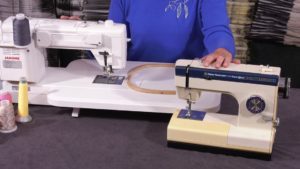
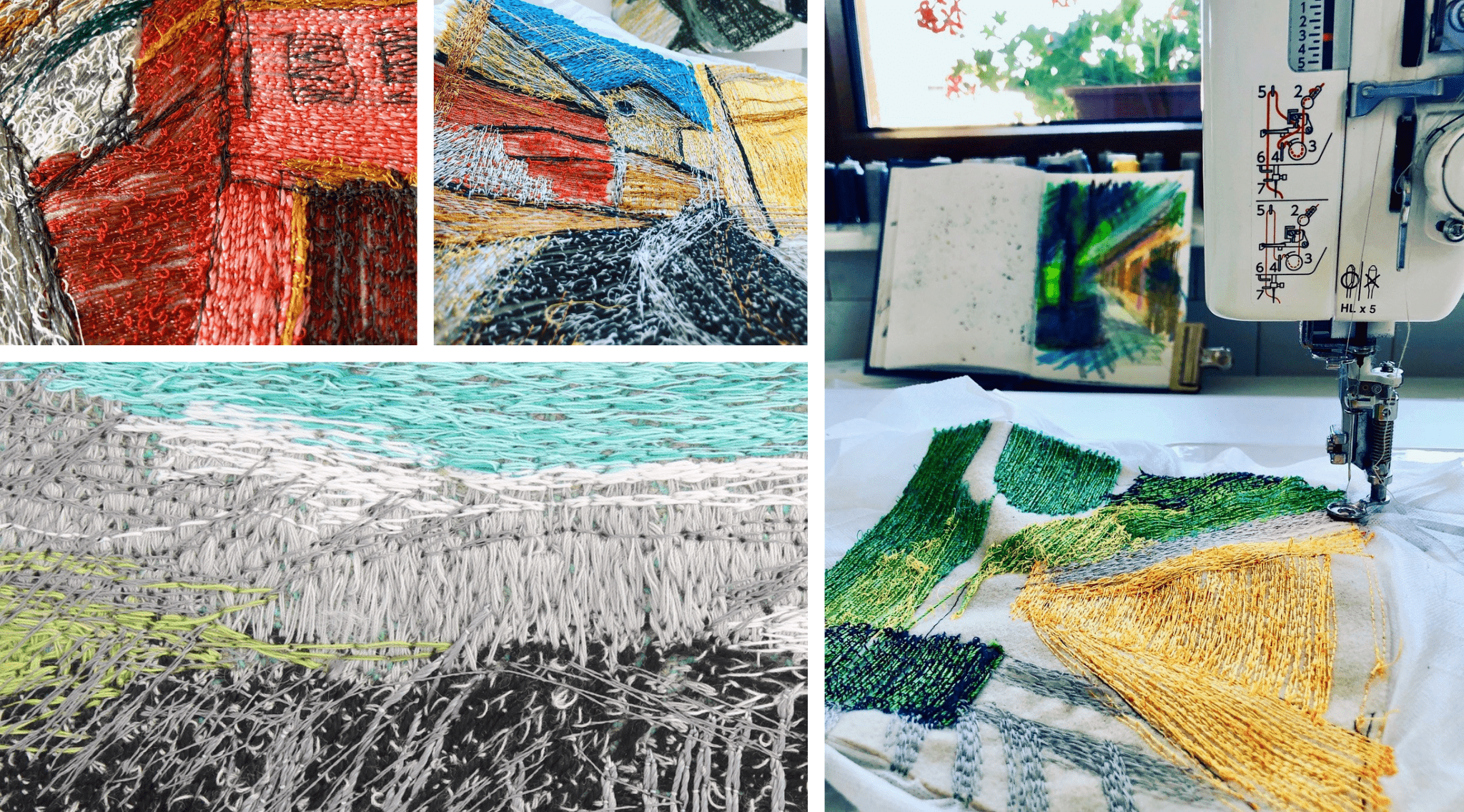
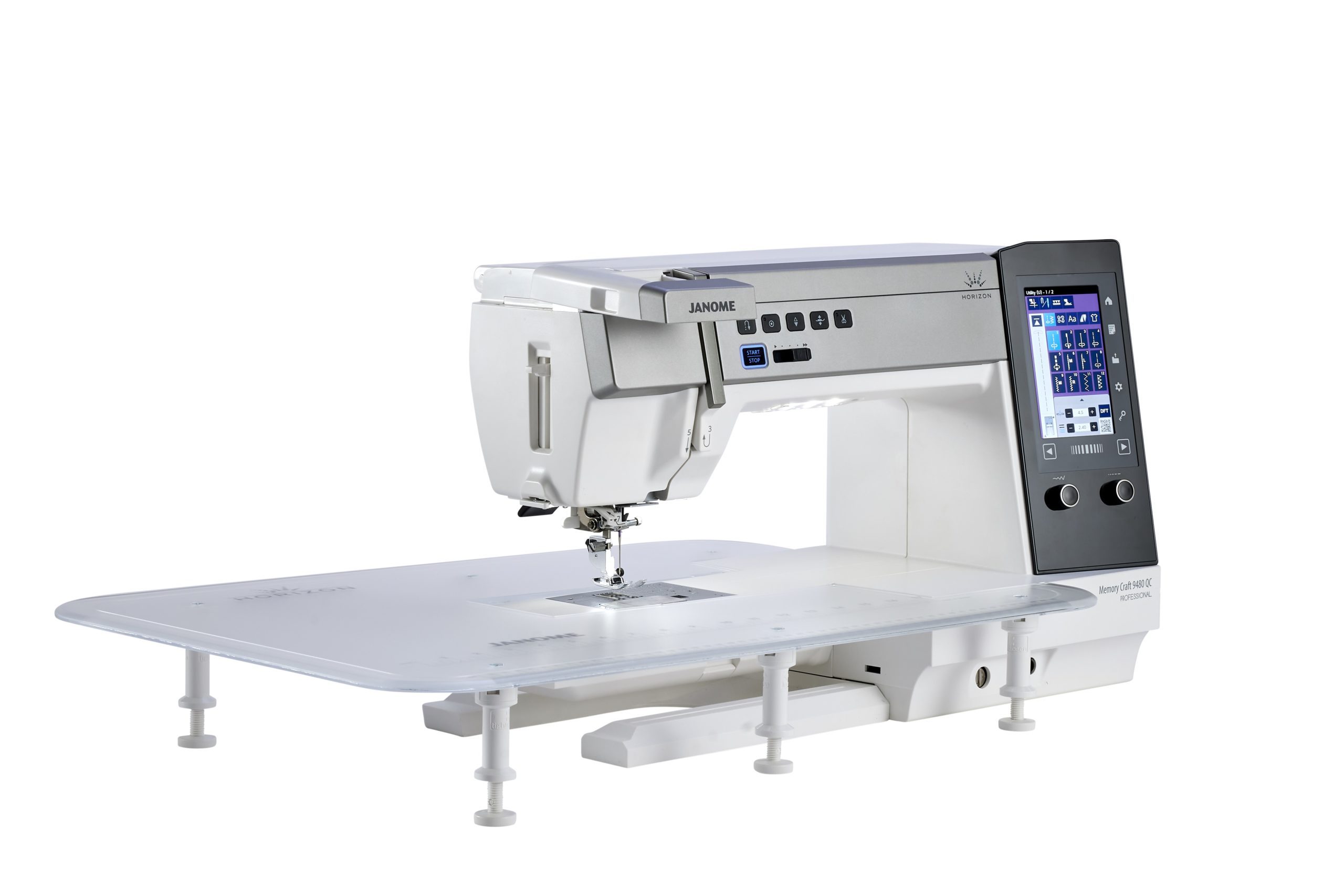
Within this title in common patchwork language we would include patchwork techniques. On the pure quilting technique you could split this firstly into two distinct areas – by hand or by machine; and then the machinework would be split again into either freemotion quilting, which is where the feed-dogs for the machine and dropped and the sewer has completely free movement of the fabric to create the length and direction of the stitch; or machine assisted quilting, which is where you still use specialised machine feet (such as the Walking Foot, to help you with the quilting). Long Arm quilting is also gathering interest; this is where you hand your quilt over to someone else to quilt; the patchwork/top fabric, the wadding and the backing fabrics are all tensioned on individual rollers and the machine passes over from left to right and back again, stitching the design. This is a skill that has to be learnt and several quilters are now offering their services in this respect – check out the Small Ads. Handquilting traditionally is done with a waxed thread and a small stitch, similar to a running stitch, with approx 10-12 to the inch; English heritage is for this style of quilting, particularly in the North of England and Wales, where the stitching is the pattern and there is no patchwork involved. Small projects of this style can be found in the workshop videos. Currently handquilting has taken on a more naive look with using thicker threads, like cotton perle, or stranded threads, like Anchor or DMC, and the stitches used are larger. A larger stitch is also used in Japanese quilting, known as Sashiko, which traditionally is a fairly thick white thread stitched onto a navy background and the designs used come from the Japanese heritage.
Quilting Techniques
Quilting Workshops
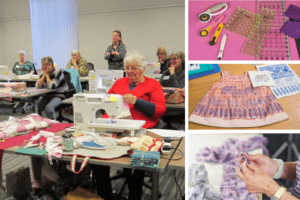
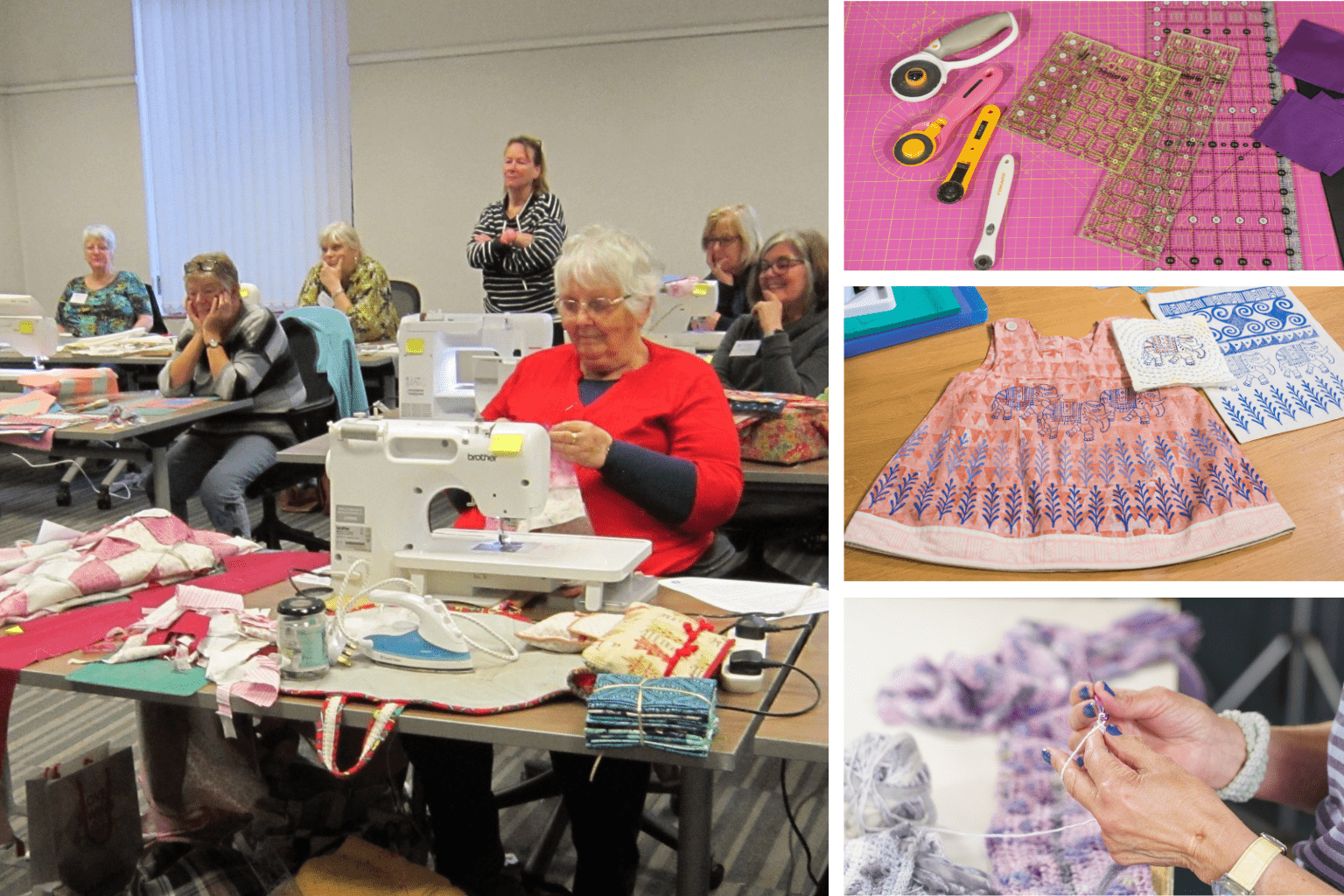
Again in common patchwork language we would include patchwork workshops in this description. Workshops are a great way of learning a new technique and also perfecting a technique from someone who has learnt how to avoid errors. Quilting and patchwork Workshops are also a great social event, where like-minded people can come together. They are also a great platform for seeing how other people put together colours and designs, so there is lots of inspiration which often results in a ‘show and tell’ later. Traditionally workshops have been held in village halls, classrooms of all sorts, but in todays world this can now take place through the internet and on-line workshops and classes. That’s the idea behind Justhands-on.tv – to enable everyone to be part of worldwide quilting workshops – and pages of ‘show and tell’ will arrive soon.
Quilting Workshops
go to the Registration Page and complete the form.
Sign up a Friend and get free fabric! - details on the News page.